
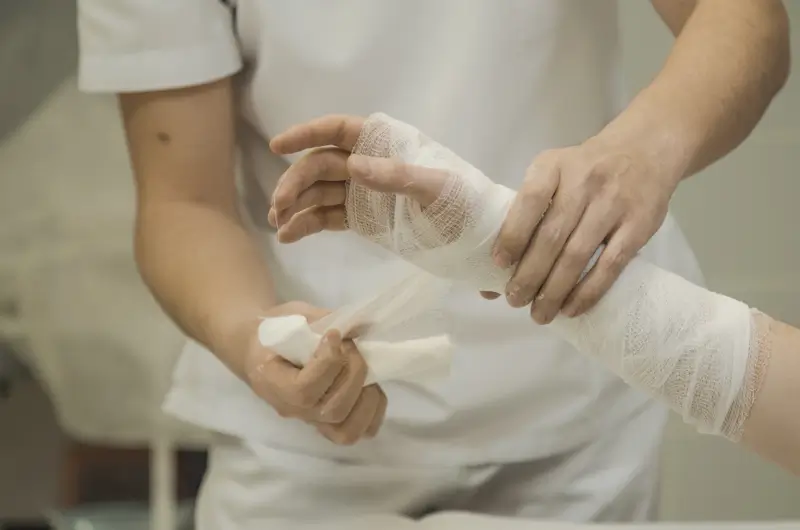
Low-frequency ultrasound (LFU) wound care management involves the use of non contact ultrasound to treat chronic wounds such as pressure ulcers, diabetic foot ulcers, post-surgical wounds, burns and more. To receive the correct reimbursement for this service, appropriate documentation and medical coding are inevitable. The coders must be aware of billing requirements of a particular insurance plan (for example, Medicare) as well. Benefits may vary according to the contract, and individual member benefits must be verified.
CPT Coding
When coding for LFU, you have to report the service with the following CPT code.
- 97610: Low frequency, non-contact, non-thermal ultrasound, including topical application(s), when performed, wound assessment, and instruction(s) for ongoing care, per day
Report this once, per day, for the duration of treatment.
Documentation Requirements
Complete documentation provided by the healthcare provider should include wound assessment and ongoing instructions, if provided. Additional, payer specific documentation elements may include the following:
- Wound size and depth
- Presence or absence of obvious signs of infection
- Presence or absence of necrotic or devitalized tissue
- State of the patient’s nutrition
Medical necessity documentation may be required as well. The requirements are different according to the procedure and coverage.
Billing Requirements for ‘Sometimes Therapy’ Codes
The Centers of Medicare and Medicaid Services (CMS) designates 97610 as a ‘sometimes therapy’ code. ‘Sometimes therapy’ services are paid under the Outpatient Prospective Payment System (OPPS) when they are not furnished under a therapy plan of care. If furnished under a therapy plan of care, such services are considered to be a physical or occupational therapy service and paid under the appropriate fee schedule. Billing requirements for ‘sometimes therapy’ codes differ according to the professional who provides the service, and/or the circumstances under which that service is delivered.
- Any kind of ‘sometimes therapy’ service provided by a qualified rehabilitation therapist is considered to be an ‘always therapy’ service. This must be delivered under a rehabilitation plan of care (POC) and billed with the appropriate therapy modifier.
- Any kind of ‘sometimes therapy’ service provided as an integral part of a therapy POC must be billed with a therapy modifier irrespective of the providing professional’s credentials, including physician, non-physician practitioner (NPP), or psychologist.
- Any kind of sometimes therapy service not appropriately part of a therapy POC and provided by a non-therapist (physician, NPP, psychologist, or therapist working incident-to the physician/NPP) should not be billed with the therapy modifier.
Tips for Coding/Documentation
Do not confuse LFU with other wound care services such as negative wound pressure therapy or surgical debridement. Here are the coding/documentation tips relative to 97610 recommended by the American Medical Association (AMA).
- Typically, the site of service for LFU wound therapy is an office or other outpatient setting, inpatient or outpatient hospital setting, nursing facility or wound care center.
- Even though LFU wound therapy uses a non contact approach, it requires continuous attendance by a qualified health care professional (QHP). CPT guidelines clarify that the work of the physician or other QHP consists of face-to-face time with the patient (and caregiver, if applicable).
- Other wound-care services including sharp debridement, negative pressure-wound therapy and skin substitutes provided before or after the LFU treatment may be reported separately.
As the number of patients increases with the Affordable Care Act (ACA), physicians may find it difficult to employ all these guidelines in their coding and documentation while providing quality care to a large number of patients. They could not fully concentrate on their coding and documentation tasks and ensure accurate billing. In such cases, a professional medical billing and coding company that provides the service of efficient and certified coders is a good option. Such a company performs all the tasks relevant to LFU wound therapy billing on your behalf so that you can focus on your core competencies.

More from This Author