Subdural hematomas vary widely in cause, acuity, and clinical severity. ICD-10 provides specific codes that reflect this complexity for traumatic versus non-traumatic cases, acuity (acute, subacute, chronic), and associated factors such as loss of consciousness. Precise neurosurgical documentation that includes relevant clinical indicators and accurate Subdural Hematoma ICD-10 coding is essential to support accurate neurosurgery medical billing, compliance, and appropriate reimbursement.
This guide outlines the different types of subdural hematoma, associated ICD-10-CM codes, the required documentation elements and how AI-assisted medical coding has transformed neurosurgery billing.
Boost neurosurgery claims accuracy and revenue with expert medical billing services.
Types of Subdural Hematoma and Documentation Requirements
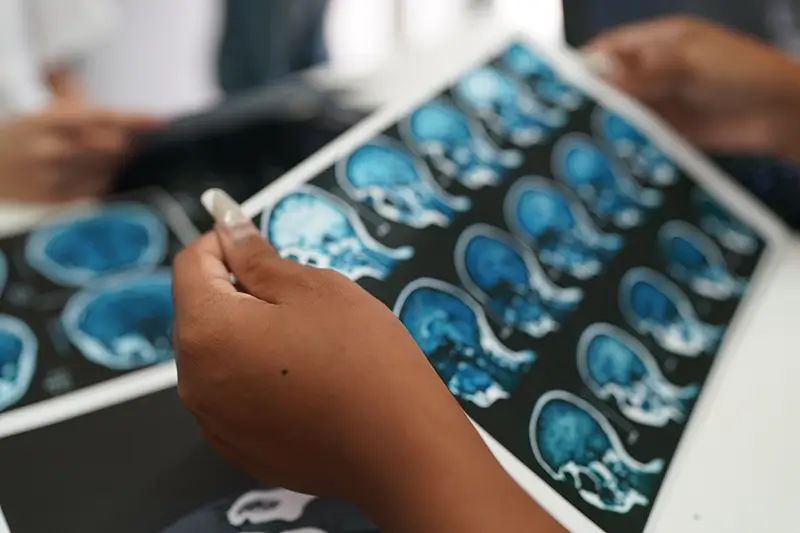
Subdural hematoma is a collection of blood that forms between the brain’s surface and its tough outer membrane (dura mater), usually from a head injury, causing pressure and potential damage to brain tissue. Common symptoms include severe headache, confusion, weakness, vomiting, and loss of consciousness.
Subdural hematoma is classified into different types and the ICD-10-CM codes vary based on:
- Acuity (acute, subacute, chronic)
- Etiology (traumatic vs non-traumatic)
- Clinical details such as loss of consciousness
Accurate provider documentation of the type of subdural hematoma directly impacts code selection, billing, and reimbursement. Including these critical details are essential for meeting subdural hematoma documentation requirements and reduce risk of denied or downcoded claims.
- Acute Subdural Hematoma
Acute SDH typically develops within 72 hours of injury and is typically associated with head trauma, such as falls or motor vehicle accidents. These cases frequently present with rapid neurological deterioration and may require urgent neurosurgical intervention.
Documentation should include:- Clear linkage to trauma
- Loss of consciousness (presence and duration)
- Imaging findings confirming acuity
Acute SDH is commonly coded under traumatic intracranial injury categories when trauma is documented.
- Subacute Subdural Hematoma
Subacute SDH usually presents between 3 days and 2–3 weeks after the initial bleed. Symptoms may be subtle or progressive, making timely diagnosis dependent on clinical vigilance and imaging.
Documentation should indicate:- Timeframe of symptom onset
- Imaging descriptors indicating subacute changes
- Whether the condition is traumatic or non-traumatic
Provider documentation of acuity and cause determine code assignment.
- Chronic Subdural Hematoma
Chronic SDH develops weeks to months after bleeding, often due to slow venous oozing. It is commonly seen in elderly patients, particularly those with cerebral atrophy or on anticoagulant therapy, and may occur without a clear traumatic event.
Documentation focus:- Chronicity explicitly stated
- Absence or presence of trauma
- Contributing risk factors (e.g., anticoagulant use)
When no injury is documented, chronic SDH is frequently coded as non-traumatic subdural hemorrhage.
Traumatic vs. Non-Traumatic Subdural Hematoma
Beyond acuity, subdural hematomas are classified by etiology. Traumatic and non-traumatic SDHs fall under different ICD-10-CM code categories
- Traumatic SDH: Resulting from a documented head injury
- Non-traumatic SDH: Occurring spontaneously or due to medical conditions such as coagulopathy or anticoagulant therapy
Accurate traumatic vs nontraumatic subdural hematoma coding requires clear documentation of etiology, since trauma-related cases and spontaneous bleeds are classified under separate ICD-10 sections.
ICD-10 Codes for Subdural Hemorrhage
Nontraumatic Subdural Hemorrhage (Category: I62.0-)
These codes are used when there is no history of head trauma, often seen in elderly patients, anticoagulant use, or spontaneous bleeds:
I62.00 Nontraumatic subdural hemorrhage, unspecified
I62.01 Nontraumatic acute subdural hemorrhage
I62.02 Nontraumatic subacute subdural hemorrhage
I62.03 Nontraumatic chronic subdural hemorrhage
Traumatic Subdural Hemorrhage (Category: S06.5X-)
These codes are used when the hemorrhage results from head injury or trauma. They require a 7th character to specify the encounter type: A for initial, D for subsequent, or S for sequela.
S06.5 – Traumatic subdural hemorrhage
S06.5X – Traumatic subdural hemorrhage
S06.5X0 – Traumatic subdural hemorrhage without loss of consciousness
S06.5X0A – Traumatic subdural hemorrhage without loss of consciousness, initial encounter
S06.5X0D – Traumatic subdural hemorrhage without loss of consciousness, subsequent encounter
S06.5X0S – Traumatic subdural hemorrhage without loss of consciousness, sequela
S06.5X1 – Traumatic subdural hemorrhage with loss of consciousness of 30 minutes or less
S06.5X2 – Traumatic subdural hemorrhage with loss of consciousness of 31 minutes to 59 minutes
S06.5X3 – Traumatic subdural hemorrhage with loss of consciousness of 1 hour to 5 hours 59 minutes
S06.5X4 – Traumatic subdural hemorrhage with loss of consciousness of 6 hours to 24 hours
S06.5X5 – Traumatic subdural hemorrhage with loss of consciousness greater than 24 hours with return to pre-existing conscious level
S06.5X6 – Traumatic subdural hemorrhage with loss of consciousness greater than 24 hours without return to pre-existing conscious level with patient surviving
S06.5X7 – Traumatic subdural hemorrhage with loss of consciousness of any duration with death due to brain injury before regaining consciousness
S06.5X8 – Traumatic subdural hemorrhage with loss of consciousness of any duration with death due to other cause before regaining consciousness
S06.5X9 – Traumatic subdural hemorrhage with loss of consciousness of unspecified duration
Medical coding for neurological conditions can be complex. The good news is that artificial intelligence (AI) and machine-assisted coding (MAC) systems have become important tools for medical coders in recent years.
A hybrid AI medical coding approach helps mitigate audit risk by rapidly identifying key documentation gaps while allowing experienced coders to apply clinical judgment and ensure compliance.
How a Hybrid AI Approach Works for SDH Coding
AI and MAC systems are designed to support trained coders by improving accuracy, efficiency, and documentation clarity when coding challenging conditions such as subdural hematomas (SDH).
AI coding systems use natural language processing (NLP) to read unstructured clinical documentation — such as operative reports, progress notes, radiology and CT/MRI interpretations, discharge summaries, and dictation (typed or voice-to-text).
The NLP engine identifies acute subdural hematoma, chronic SDH, subdural hygroma, surgical drainage and other clinical concepts. It then maps them to standardized terminology, which helps the system suggest the most accurate ICD-10 diagnosis codes based on what the physician documented.
Once the system interprets the clinical text, AI suggests corresponding codes, such as:
- S06.5X- series codes for traumatic subdural hemorrhage
- Codes reflecting laterality, chronicity, and sequelae when documented
The system highlights areas of uncertainty or missing documentation, prompting manual review by certified coders. This interactive suggestion model improves both speed and accuracy compared to purely manual coding.
The key benefits of AI medical coding are:
• Faster identification of relevant clinical concepts
• Suggested ICD-10 codes based on context
• Automated documentation quality alerts
• Reduced coder burnout through intelligent assistance
Accurate subdural hematoma ICD-10 coding for hinges on precise documentation, yet SDH cases often carry a high risk of coding variability and payer scrutiny. As payers increasingly rely on data analytics to identify errors, unspecified or unsupported SDH codes can quickly trigger denials or audits—directly impacting revenue.
For neurosurgery practices, working with a medical coding company that integrates AI solutions improves coding accuracy, accelerates claims processing, and reduces audit risk. In an increasingly payer-driven reimbursement environment, integrating AI and human oversight can deliver measurable ROI.

More from This Author