
ICD-10 Codes to Report Three Common Diabetes-Related Skin Disorders [Infographic]

by | Posted: Jan 28, 2021 | Infographics, Resources

Share this post:

A fast-growing, chronic disease, diabetes is characterized by high blood sugar levels, due to a lack of insulin or insulin not working properly. People with high blood sugar level experience several complications and skin disorders are one among them. Some of the common skin disorders include – rashes and blisters, fungal infections and dry, itchy skin. Managing blood sugar level and consuming diabetic medications can help reduce the risk of these skin disorders. When it comes to reporting diagnoses of diabetes-related skin conditions, diabetologists and other physicians can rely on experienced medical billing companies who have extensive knowledge about the codes and related guidelines for accurate claim submissions.

Check out the Infographic below
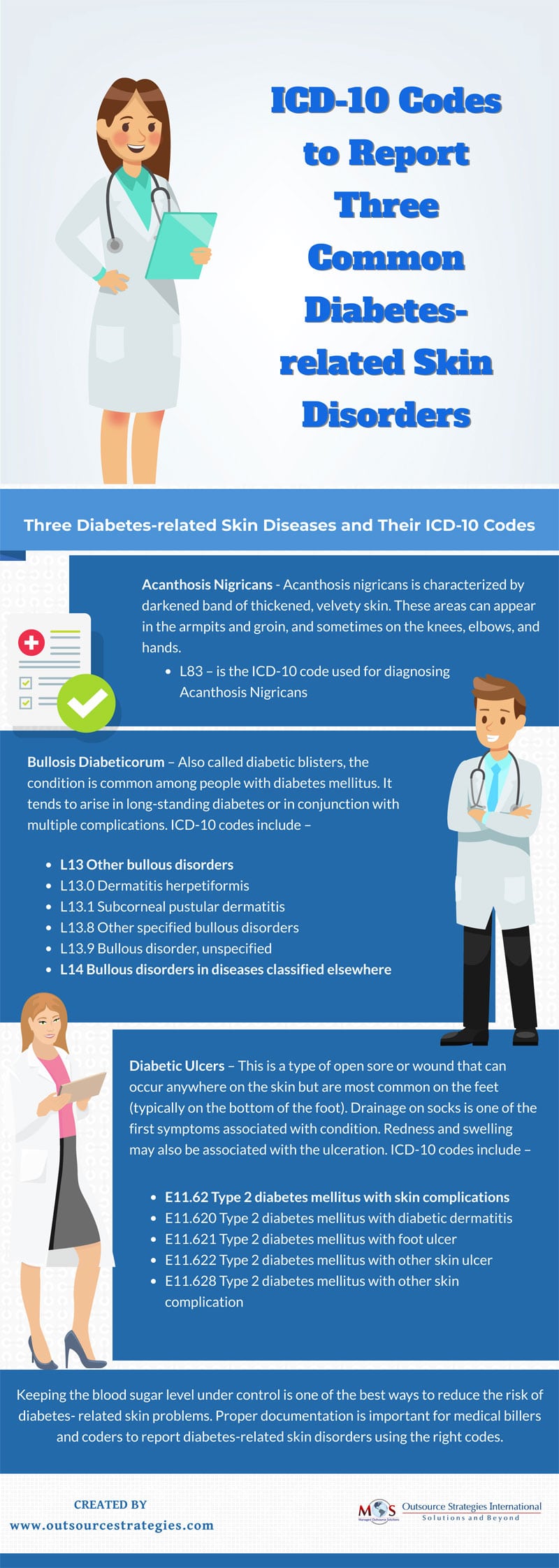
ICD-10 Codes to Report Three Common Diabetes-Related Skin Disorders

Holding a CPC certification from the American Academy of Professional Coders (AAPC), Natalie is a seasoned professional actively managing medical billing, medical coding, verification, and authorization services at OSI.

More from This Author
Natalie Tornese

Subscribe to Our Newsletter

Stay informed with our latest updates and insights.

Subscription Form

Related Posts

2026 CPT Code Changes: Key Insights for Healthcare Providers

2026 CPT Code Changes: Key Insights for Healthcare Providers

Each year, the American Medical Association (AMA) revises the Current Procedural Terminology (CPT) code set to keep pace with evolving medical technologies and clinical practices. The 2026 CPT code changes effective January 1, 2026, introduce significant changes that...

Vitamin D Testing Recommendations and Coding Information

Vitamin D Testing Recommendations and Coding Information

Produced when the body is exposed to sunlight, Vitamin D is a fat-soluble hormone essential for calcium and phosphorus absorption and overall bone health. Since vitamin D receptors are present throughout the body, low vitamin D levels have been associated with immune...