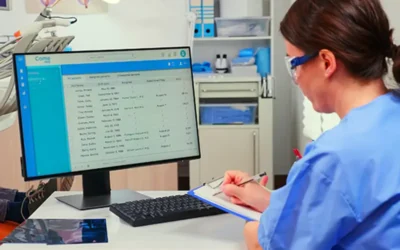

Technology is no longer optional in dental revenue cycle management, it’s essential. Dental offices rely on multiple software tools such as EHR/PMS, imaging, scheduling, claims tools, and payment processors. Modern practice management systems streamline dental billing workflow, help with eligibility checks and claim reviews, lower denials, and boost cash flow. They use advanced analytics and AI for better forecasting.
But when these systems don’t communicate, practices face unnecessary delays, manual work, and billing errors that cause revenue leakage. This is where dental billing software integrations become essential. By creating a seamless flow of data across platforms, integrations help dental practices streamline the entire RCM process —without overwhelming staff.
Streamline Your Dental Billing With Smart Software Integrations.
Let’s explore how software integrations improve dental billing accuracy.
Understanding Billing Software Integrations in Dental RCM Workflow
Integrated RCM and practice management platforms bring everything together in one place. Billing software incorporations connect your practice’s core systems so they can automatically share information.
From appointment scheduling and charge capture to claim submission and reporting, a unified system syncs everything in real time. This means:
- Patient demographics transfer instantly from the PMS to the billing system
- Clinical notes and procedure codes flow directly into claims
- Clearinghouse updates return automatically to your dashboard
- Insurance eligibility and benefits sync before appointments
- Payment posting without manual intervention
By ensuring seamless communication between clinical and financial teams, billing software and practice management system integration saves time and reduces errors caused by manual data entry. In short, platform interoperability eliminates the friction that slows down dental revenue cycle management.
Why System Connectivity Matters for Dental Billing
- Improved Accuracy and Reduced Errors
Manual data entry across separate systems often leads to typos, duplicate information, mismatched data, and missed codes. Integrated systems automate these steps, ensuring information (like patient IDs, procedure codes, and insurance details) is consistent and accurate across all platforms, from charting to claim submission.
- Accelerates Clean Claim Submission
By syncing procedure codes, clinical notes, and attachments automatically, dental billing automation and system integrations result in faster and more accurate claim submissions. This reduces back-and-forth with payers and improves first-pass acceptance.
- Reduces Denials with Real-Time Validation
Integrations enable real-time eligibility checks, benefit verification, and automated error flagging before claim submission. This lowers denials caused by missing information or outdated insurance details.
- Improves Visibility into A/R and Claim Status
Integrated clearinghouse tools connect to your Practice Management System (PMS) to automatically post claim updates, Explanation of Benefits (EOBs), and Electronic Remittance Advice (ERAs) directly into the software. This eliminates manual data entry, reduces errors, and speeds up the payment posting process by streamlining the flow of information between the clearinghouse and your billing system. With dental clearinghouse integration, your team gets a full view of outstanding claims, follow-up needs, and payment patterns.
- Enhances the Patient Experience
With integrated scheduling, billing, and payments:
- Patients get accurate cost estimates
- Treatment plans are clearer
- Statements and receipts are seamless
- Payments are easier and faster
A smoother financial experience reduces confusion and improves patient satisfaction.
Best Integrations for Dental Revenue Cycle Management
Here are the key technology integrations that every dental practice should have:
- PMS + Billing Software Integration: Foundational for RCM–ensures patient information, insurance data, and provider details populate claims automatically.
- Clearinghouse Integration: Allows instant claim submission, electronic remittance advice (ERA), status tracking, and rejection management—without switching platforms.
- EHR / Clinical Notes Integration: Syncs clinical documentation and radiographic findings with billing to reduce mismatches and support accurate coding.
- Imaging Software Integration: For procedures requiring documentation (e.g., perio, endo, oral surgery), imaging software integration ensures attachments are included correctly.
- Eligibility & Benefits Integration: Automates insurance verification before appointments, preventing one of the biggest causes of claim denials.
- Payment Gateway Integration: Integrates online payments, e-statements, and real-time posting, making collections simpler and faster.
Challenges Practices Face without Unified System
With seamless communication between practice management systems, practices tend to experience:
- Manual data entry errors
- Higher rate of billing mistakes
- Inefficient workflows that waste time
- Delays in claim submission and reimbursements
- Longer account receivable cycles
- Provider and staff burnout
- Lost revenue due to incorrect information
- Communication gaps leading to patient dissatisfaction
Platform interoperability addresses these issues by creating a unified, automated, and reliable billing workflow.
How a Dental RCM Company Supports Successful Integration
Partnering with a reliable dental billing company can help practices implement software interoperability successfully. After evaluating their existing technology stack, experts will recommend the best integrations for their needs and help to set them up. The process includes:
- Setting up secure data connections and workflows
- Mapping procedures, codes, and notes correctly
- Managing clearinghouse connections and payer setups
- Monitoring integration performance and resolve errors
- Optimizing coding, billing, and payment posting accuracy
Dental billing software integrations are vital for creating seamless communication between clinical and financial teams, reducing errors, and accelerating claim submissions. By minimizing manual work and enhancing accuracy, practices experience fewer claim delays, a more efficient revenue cycle, and more time to focus on delivering quality patient care.
Boost Your Revenue Cycle with Seamless Tech Integration Support.

More from This Author