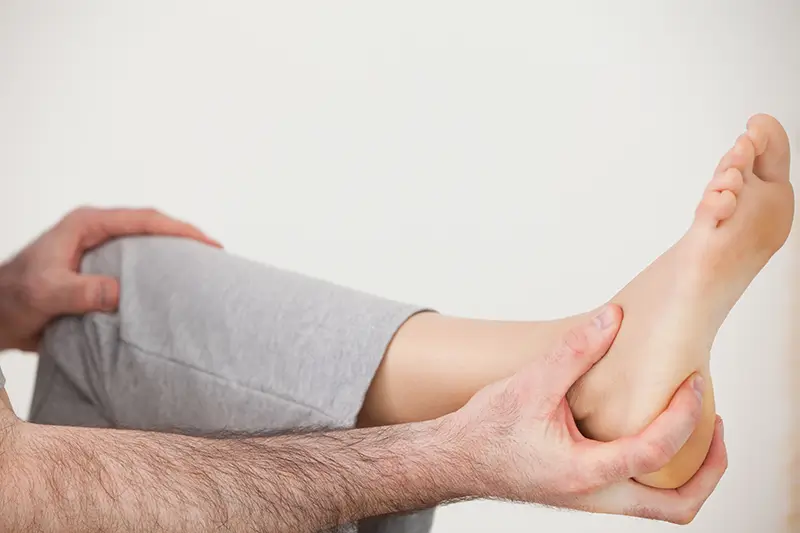
Plantar fasciitis causes pain on the bottom of the foot at the heel and is a common diagnosis in podiatry and orthopedic practices. Reports indicate that about 2 million patients are treated for this condition every year. As patient volume surges, accurate medical coding for plantar fasciitis is essential to ensure proper documentation, compliant claim submission, and timely reimbursement. Given the complexities of orthopedic revenue cycle management (RCM), providers are increasingly outsourcing medical billing and coding to improve accuracy, reduce denials and stabilize cash flow.
Plantar fasciitis is caused by inflammation of the plantar fascia, a thick band of tissue that connects the heel bone to the toes. It typically leads to sharp heel pain, especially during the first steps in the morning or after long periods of standing. Causes include overuse, improper footwear, obesity, flat feet, or repetitive stress from activities such as running and walking. Early diagnosis and proper treatment are important to relieve pain and prevent chronic discomfort.
Optimize your podiatry claims process with AI-assisted medical coding backed by certified coding experts.
Challenges of Claim Submission for Foot and Ankle Conditions
Medical coding for plantar fasciitis and other foot conditions presents several challenges due to the complexity of diagnoses, procedures, and documentation requirements.
- Heel pain overlaps with many orthopedic conditions, making code selection difficult.
- Coders must review clinical notes, imaging, and treatment documentation carefully to assign the correct ICD-10, CPT, and modifier codes.
- Accurate medical necessity documentation is essential for compliance and reimbursement.
- Incomplete documentation can cause coding errors, claim denials, and reimbursement delays.
- Coders must stay updated with changing coding guidelines and payer policies.
Accurate plantar fasciitis diagnosis and procedure coding and documentation is essential to ensure providers receive appropriate payment for the services delivered. Detailed documentation and correct code selection validate the medical necessity of treatments and procedures, helping to prevent claim rejections and denials. Adhering to coding guidelines and payer regulations lowers the risk of audits, penalties, and legal issues.
Efficient musculoskeletal disorder coding and billing supports faster claims processing and healthier cash flow. However, managing these complexities and maintaining accuracy while delivering quality patient care increases administrative workload. This highlights the growing relevance of advanced technologies and AI-driven orthopedic coding solutions.
ICD-10 Codes for Plantar Fasciitis
Common ICD-10 Diagnosis Codes
The billable and specific primary ICD-10 code for plantar fasciitis is:
- M72.2 – Plantar fascial fibromatosis
Other diagnosis codes related to plantar fasciitis:
- M77.30 Calcaneal spur, unspecified foot – use if spur is present but foot not specified
- M77.31 Calcaneal spur, right foot – for heel spur on right foot
- M77.32 Calcaneal spur, left foot – for heel spur on left foot
Additional laterality-related foot pain codes may also be reported when supported by documentation:
- M79.671 Pain in right foot
- M79.672 Pain in left foot
- M79.673 – Pain in unspecified foot
If the provider documents chronic pain separately, an additional chronic pain code may sometimes be applicable, such as:
- G89.29 – Other chronic pain
G89.29 can be used to report chronic bilateral foot pain lasting more 3 months, not linked to plantar fasciitis.
Additionally, codes for related musculoskeletal conditions, such as arthritis or tendon disorders, may be applicable when they impact treatment and reimbursement.
CPT Codes for Plantar Fasciitis Treatment
Evaluation and Management (E/M) Codes
The E/M codes for billing office/outpatient visits fall in the range 99202–99215. The distinction between new vs. established patients is central to E/M coding for office or outpatient visits. Use:
- 99202–99205 for new patients
- 99212–99215 for established patients
Injection Procedure Codes
For therapeutic injections into the plantar fascia, use:
- CPT code 20550 — Injection(s); single tendon sheath, or ligament, aponeurosis.
For ultrasound-guided plantar fascia or tendon sheath injections billed with CPT 20550, use the imaging guidance code:
- 76942 – Ultrasonic guidance for needle placement, including imaging supervision and interpretation
Physical Therapy and Rehabilitation Codes
For plantar fasciitis and related foot pain conditions, the commonly used physical therapy CPT codes include:
- 97110 – Therapeutic exercises to improve strength, endurance, flexibility, and range of motion (billed per 15 minutes).
- 97140 – Manual therapy techniques, including soft tissue mobilization, joint mobilization, manipulation, and manual traction (billed per 15 minutes).
Other related rehabilitation codes that may also be used when medically necessary include:
- 97112 – Neuromuscular re-education for balance, coordination, posture, and proprioception.
- 97530 – Therapeutic activities focused on functional movement and performance.
- 97035 – Ultrasound therapy, each 15 minutes.
These time-based codes require direct one-on-one patient contact with appropriate documentation supporting medical necessity and treatment time.
Surgical CPT Codes
CPT codes for plantar fasciitis surgical treatment include:
- 29893 – Endoscopic plantar fasciotomy (endoscopic plantar fascia release).
- 28060 – Fasciectomy, plantar fascia; partial (open plantar fascia release/partial excision).
- 28062 – Fasciectomy, plantar fascia; radical/extensive excision.
- 28250 – Division of plantar fascia and muscle (e.g., Steindler stripping).
- 28008 – Fasciotomy, foot and/or toe (used in select plantar fascia release cases depending on operative details).
The primary CPT code for endoscopic plantar fascia release is:
- 29893 – Endoscopic plantar fasciotomy.
If a heel spur excision is performed during the same operative session, report:
- 28119 – Ostectomy/calcaneal spur removal, with or without plantar fascia release.
Clinical Documentation Requirements for Accurate Coding
The essential plantar fasciitis documentation requirements for coding are:
- Patient history
- Severity and duration of symptoms
- Treatment plans
- Imaging reports
Medical necessity documentation that covers conservative treatment failure, functional limitations, and treatment plan is key for justifying E/M services and other billed procedures. It ensures that the care provided is appropriate, reasonable, and supported by the patient’s condition.
Plantar Fasciitis Claims: Potential Errors and Billing Challenges
Claim submission errors can occur due to the following:
- ICD-10 coding mistakes: Using inaccurate or nonspecific diagnosis codes can lead to claim denials and reimbursement delays.
- Missing modifiers: Commonly used modifiers for plantar fasciitis treatment claims include: Modifier RT, Modifier LT, Modifier 50 Modifier 59, and Modifier 25. Not appending appropriate modifiers may result in rejected claims or incorrect payment processing.
- Insufficient documentation: Missing details about symptoms, treatment history, laterality, or medical necessity can lead to claim denials and delayed reimbursement.
- Unbundling procedures: Reporting components of a procedure separately instead of using the appropriate comprehensive code and result in claim denial. For e.g., billing CPT 20550 (plantar fascia injection) separately with services included in the procedure, such as routine local anesthesia administration, when those components are not separately payable, can result in compliance issues and claim denial.
- Laterality coding errors: Reporting the wrong side or not specifying right foot or left foot codes or both feet can lead to claim errors.
In addition to the above issues, billing and reimbursement challenges can arise from missing prior authorization. Many payers require prior authorization for plantar fascia release to confirm medical necessity before the procedure is performed. Physical therapy visits for plantar fasciitis may also require preapproval after a certain number of sessions or based on the patient’s insurance plan.
Professional expertise combined with advanced automation can help prevent these issues by supporting best practices in foot and ankle medical coding.
How AI Is Transforming Podiatry Medical Billing and Coding
AI medical coding solutions are improving coding accuracy, enhancing documentation, and reducing administrative burden for providers treating foot and ankle conditions.
For example, the MedGenX platform can streamline medical coding for planter fasciitis. Powered by DeepKnit AI, it analyzes clinical notes, identifies relevant diagnoses and procedures, and suggests appropriate ICD-10, CPT, and HCPCS codes based on the clinical documentation.
Example: A patient presents with chronic right heel pain diagnosed as plantar fasciitis. The AI-assisted coding system can review the provider’s documentation and identify:
- ICD-10 Code:
- M72.2 – Plantar fascial fibromatosis
- M79.671 – Pain in right foot (if documented)
- Procedure Codes:
- 20550-RT – Injection into tendon sheath/ligament/aponeurosis
- 76942 – Ultrasound guidance for needle placement
- 97110 – Therapeutic exercises
- 97140 – Manual therapy techniques
MedGenX can also flag missing laterality modifiers, insufficient documentation, potential bundling issues, incorrect laterality coding, and unsupported medical necessity. By automating repetitive coding tasks and flagging potential claim errors before submission, this AI coding tool supports cleaner claims and faster reimbursement.
Partnering with an orthopedics medical coding company that combines AI-powered coding technology with human-in-the-loop validation by certified coders can support faster claim processing, fewer coding errors, and stronger compliance with payer requirements. The result is more accurate and efficient podiatry revenue cycle management, reduced denials, and optimized reimbursement.
Improve coding accuracy and maximize reimbursement with specialized podiatry medical coding solutions.

More from This Author