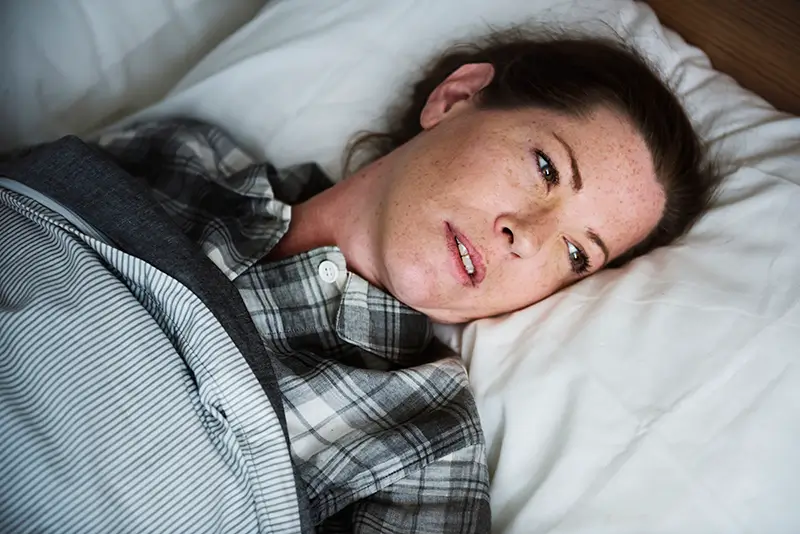
According to the American Psychiatric Association, more than 50 million Americans live with chronic sleep disorders, and about 34% rate their sleep quality as “poor” or “only fair.” Sleep disorders (or sleep-wake disorders) affect the quality, timing, and amount of sleep, which result in daytime impairment and functional limitations. Since lack of sleep or too much sleep can lead to many chronic health problems, early diagnosis and treatment are important.
There are nearly 80 recognized types of sleep disorders, many with overlapping symptoms such as fatigue, insomnia, or excessive daytime sleepiness. Precise documentation is essential for distinguishing between the different types and assigning the correct ICD-10 code. Physicians often rely on professional medical coding services to ensure accurate sleep disorder diagnosis code assignment, supporting proper treatment planning, claim submission, and reimbursement.
This post outlines the ICD-10 codes for common sleep disorders and reviews key sleep medicine coding guidelines to support accurate documentation and billing.
Maximize reimbursements and eliminate denials with our expert medical billing and coding services.
Sleep Disorders: Health Risks, Symptoms and Diagnosis
Understanding the health risks, symptoms, and types of sleep disorders is critical for accurate diagnosis and ICD-10-CM coding. Both insufficient and excessive sleep are linked to chronic conditions such as heart disease, diabetes, and obesity, and sleep disorders often coexist with mental health or neurological conditions, including depression and Parkinson’s disease.
Common symptoms include excessive daytime sleepiness, difficulty initiating or maintaining sleep, and sudden sleep episodes. Proper documentation of these symptoms is essential to support medical necessity and code specificity.
Sleep disorders are generally classified by breathing abnormalities, behavioral disturbances, circadian rhythm disruptions, or hypersomnolence. Insomnia is the most prevalent condition, followed by sleep apnea, narcolepsy, hypersomnia, parasomnias, circadian rhythm disorders, and restless legs syndrome.
Clear identification of the primary diagnosis and associated comorbidities ensures accurate code selection, appropriate sequencing, and optimal reimbursement.
What are the ICD-10 Codes for Common Sleep Disorders?
In ICD-10, sleep disorder diagnoses are primarily classified under G47 – Sleep disorders. Here are seven common sleep disorders and their ICD-10 codes:
- Insomnia
According to the American Psychiatric Association (APA), insomnia is one of the most common sleep disorders, with about one-third of adults reporting symptoms. It is defined as difficulty falling asleep, staying asleep, or waking too early and being unable to return to sleep.
Insomnia is classified by duration:
- Acute insomnia is short-term, often triggered by stress or life events, and usually resolves without extensive treatment.
- Chronic insomnia occurs at least three nights per week for three months or longer.
In addition to nighttime sleep problems, insomnia can impair daytime energy, mood, concentration, work performance, and overall quality of life, and may increase long-term health risks if untreated.
Treatment options include behavioral strategies (such as sleep hygiene), cognitive-behavioral therapy for insomnia (CBT-I), medications when appropriate, or a personalized combination of these approaches.
The ICD-10 codes are:
G470 Insomnia
G4700 Insomnia, unspecified
G4701 Insomnia due to medical condition
G4709 Other insomnia
- Hypersomnia
Also known as excessive daytime sleepiness (EDS), hypersomnia is characterized by persistent sleepiness during the day, even after adequate nighttime sleep. Individuals with this condition may fall asleep unintentionally at inappropriate times, affecting daily activities and overall functioning. The hallmark symptoms of hypersomnia include chronic fatigue, low energy, difficulty concentrating, and prolonged sleep episodes.
Hypersomnia may be classified as:
- Primary hypersomnia, which includes conditions such as narcolepsy, idiopathic hypersomnia, and Klein-Levin syndrome.
- Secondary hypersomnia, which results from underlying medical or psychiatric conditions such as depression, obesity, epilepsy, or multiple sclerosis.
Treatment typically depends on the underlying cause and may involve stimulant medications, along with behavioral interventions and lifestyle modifications to improve alertness and daytime functioning.
The hypersomnia ICD-10 codes are:
G471 Hypersomnia
G4710 Hypersomnia, unspecified
G4711 Idiopathic hypersomnia with long sleep time
G4712 Idiopathic hypersomnia without long sleep time
G4713 Recurrent hypersomnia
G4714 Hypersomnia due to medical condition
G4719 Other hypersomnia
F51.11 Primary hypersomnia
F51.19 Other hypersomnia not due to a substance or known physiological condition
- Circadian rhythm sleep disorders
These disorders occur when the body’s internal clock is misaligned with the natural light–dark cycle, disrupting the normal timing of sleep and wakefulness. Symptoms range from excessive daytime sleepiness to mood disturbances, including depression. Shift work (especially overnight schedules) and travel across multiple time zones are major contributors to circadian disruption. Other influencing factors include exposure to light, melatonin levels (the hormone that regulates sleep), physical activity patterns, and social routines.
Treatment focuses on realigning the internal clock and may include light therapy, melatonin supplementation, and behavioral sleep scheduling strategies. In some cases, short-term use of sleep medications such as benzodiazepines or non-benzodiazepine hypnotics may be prescribed under medical supervision.
The ICD-10 codes for circadian rhythm sleep-wake disorders are:
G472 Circadian rhythm sleep disorders
G4720 Circadian rhythm sleep disorder, unspecified type
G4721 Circadian rhythm sleep disorder, delayed sleep phase type
G4722 Circadian rhythm sleep disorder, advanced sleep phase type
G4723 Circadian rhythm sleep disorder, irregular sleep wake type
G4724 Circadian rhythm sleep disorder, free running type
G4725 Circadian rhythm sleep disorder, jet lag type
G4726 Circadian rhythm sleep disorder, shift work type
G4727 Circadian rhythm sleep disorder in conditions classified elsewhere
G4729 Other circadian rhythm sleep disorder
- Sleep apnea
This potentially serious sleep disorder occurs when breathing repeatedly stops and starts during sleep. These pauses may result from a blocked airway or from a failure of the brain to properly signal the muscles responsible for breathing. Individuals with sleep apnea with sleep apnea often snore loudly, gasp or choke during sleep, and feel unrefreshed or overly tired despite a full night’s rest.
Common risk factors include obesity, enlarged tonsils, premature birth, heart or kidney failure, endocrine disorders, neuromuscular conditions, and certain genetic syndromes.
There are two primary types of sleep apnea:
- Obstructive Sleep Apnea (OSA): Caused by partial or complete blockage of the upper airway during sleep.
- Central Sleep Apnea (CSA): Occurs when the airway remains open, but the brain fails to send consistent signals to the breathing muscles.
If left untreated, sleep apnea can increase the risk of serious health complications, including cardiovascular disease, hypertension, stroke, and depression.
Mild cases may be managed with lifestyle modifications such as weight reduction, smoking cessation, and improved sleep positioning. Treatment options for moderate to severe cases include continuous positive airway pressure (CPAP) therapy, oral appliances, treatment of nasal allergies, or other medical interventions based on the underlying cause.
The sleep apnea ICD-10 codes are:
G473 Sleep apnea
G4730 Sleep apnea, unspecified
G4731 Primary central sleep apnea
G4732 High altitude periodic breathing
G4733 Obstructive sleep apnea (adult) (pediatric)
G4734 Idiopathic sleep related nonobstructive alveolar hypoventilation
G4735 Congenital central alveolar hypoventilation syndrome
G4736 Sleep related hypoventilation in conditions classified elsewhere
G4737 Central sleep apnea in conditions classified elsewhere
G4739 Other sleep apnea
- Narcolepsy
A chronic neurological sleep disorder, narcolepsy is characterized by overwhelming daytime drowsiness and sudden, uncontrollable episodes of sleep. Individuals with narcolepsy often struggle to remain awake for extended periods, regardless of activity or environment, which can significantly affect daily functioning and safety.
There are two main types of narcolepsy:
- Type 1 Narcolepsy (with cataplexy): Marked by excessive daytime sleepiness along with cataplexy—sudden muscle weakness triggered by strong emotions.
- Type 2 Narcolepsy (without cataplexy): Characterized by excessive daytime sleepiness without episodes of cataplexy.
Common symptoms include sudden muscle weakness (such as buckling knees or drooping eyelids), vivid or dream-like hallucinations at sleep onset or awakening, sleep paralysis, and fragmented nighttime sleep.
Management typically involves medications such as stimulants, certain antidepressants, or other wake-promoting agents, along with lifestyle adjustments. Scheduled daytime naps and consistent sleep routines can also help reduce excessive daytime sleepiness.
The narcolepsy ICD-10 codes include:
G474 Narcolepsy and cataplexy
G4741 Narcolepsy
G47411 Narcolepsy with cataplexy
G47419 Narcolepsy without cataplexy
G4742 Narcolepsy in conditions classified elsewhere
G47421 Narcolepsy in conditions classified elsewhere with cataplexy
G47429 Narcolepsy in conditions classified elsewhere without cataplexy
- Parasomnias
Parasomnias are a group of sleep disorders characterized by abnormal movements, behaviors, emotions, or perceptions that occur during sleep, during transitions between sleep stages, or upon awakening.
Parasomnias are commonly classified into:
- NREM-related parasomnias: Sleepwalking (somnambulism), sleep terrors, and confusional arousals
- REM-related parasomnias: REM sleep behavior disorder (RBD), nightmares, and recurrent isolated sleep paralysis
- Other parasomnias: Sleep-related eating disorder, sleep-related hallucinations, and enuresis
Symptoms include talking, shouting, walking, performing complex behaviors during sleep, vivid dreams, or acting out dreams. In some cases, individuals may have little or no memory of the event.
Risk factors include sleep deprivation, stress, certain medications, neurological disorders, and substance use. REM sleep behavior disorder, in particular, may be associated with neurodegenerative conditions such as Parkinson’s disease.
G475 Parasomnia
G4750 Parasomnia, unspecified
G4751 Confusional arousals
G4752 REM sleep behavior disorder
G4753 Recurrent isolated sleep paralysis
G4754 Parasomnia in conditions classified elsewhere
G4759 Other parasomnia
ICD-10 Coding Tips for Sleep Medicine Practices
Documentation requirements for sleep disorder ICD-10 coding vary by the specific condition and the type of evaluation or treatment being billed. Accurate diagnosis coding for sleep medicine requires detailed documentation to support specificity, correct sequencing, and alignment with payer guidelines. Medical records must support the medical necessity of the selected code and any associated testing or treatment
Here are key tips to reduce denials and support proper reimbursement:
- Document Specificity
Avoid unspecified codes whenever possible. Clearly document:
- Type of sleep disorder (e.g., insomnia, obstructive vs. central sleep apnea)
- Severity (mild, moderate, severe if applicable)
- Duration (acute vs. chronic)
- Presence of complications or comorbidities
For example, in the case of Insomnia, specificity is required to choose between organic (G47) and nonorganic (F51) codes. Greater specificity supports medical necessity and improves claim acceptance rates.
- Distinguish Primary vs. Secondary Conditions
Determine whether the sleep disorder is a primary diagnosis, secondary to a medical or psychiatric condition, or a symptom rather than a confirmed diagnosis. Correct sequencing is critical for reimbursement.
- Code Sleep Apnea Correctly
Differentiate clearly between: Obstructive sleep apnea (OSA), Central sleep apnea (CSA), and Sleep-related hypoventilation. Do not code unspecified sleep apnea if documentation supports a specific type.
- Confirm Diagnostic Testing
Many sleep disorder diagnoses require sleep study confirmation. Ensure documentation supports medical necessity for polysomnography or home sleep testing. Provide the final interpretation and signed report, and ensure alignment between test findings and assigned ICD-10 codes. For suspected narcolepsy, documentation must include a PSG followed by a Multiple Sleep Latency Test (MSLT) showing a mean sleep latency of ≤8 minutes.
- Capture Comorbidities
Sleep disorders frequently coexist with obesity, hypertension, depression, or neurological disorders. Report all relevant comorbid conditions when documented, as they may affect risk adjustment and reimbursement.
- Avoid Coding Symptoms with Confirmed Diagnoses
If a definitive diagnosis (e.g., insomnia, narcolepsy) is documented, do not additionally code related symptoms such as fatigue or excessive daytime sleepiness unless separately addressed.
- Stay Updated on Payer Policies
Coverage for CPAP therapy, oral appliances, and repeat sleep studies varies by payer. Ensure ICD-10 codes align with local coverage determinations (LCDs) and medical necessity requirements.
Boost Accuracy and Compliance with Expert Support
Accurate ICD-10 coding for sleep disorders depends on detailed documentation, correct sequencing, and strict adherence to payer policies. Even minor documentation gaps, such not specifying the type of sleep apnea or the duration of insomnia, can result in claim denials or delayed payments.
Partnering with an AI-driven medical billing and coding company can minimize denial risk and optimize revenue. Expert AI-powered medical support enhances documentation accuracy through real-time prompts for specificity, flagging missing details, identifying coding inconsistencies, and improving compliance with payer guidelines. When combined with experienced coding professionals (a human-in-the-loop approach), AI-driven support strengthens claim accuracy, reduces rework, minimizes denials, and protects revenue.
Code smarter, simplify billing, and strengthen your bottom line.

More from This Author