Coding Common Women’s Health Issues This Women’s Day

by | Posted: Mar 8, 2022 | Medical Billing, Medical Coding

Share this post:

Happy Women’s Day 2022!

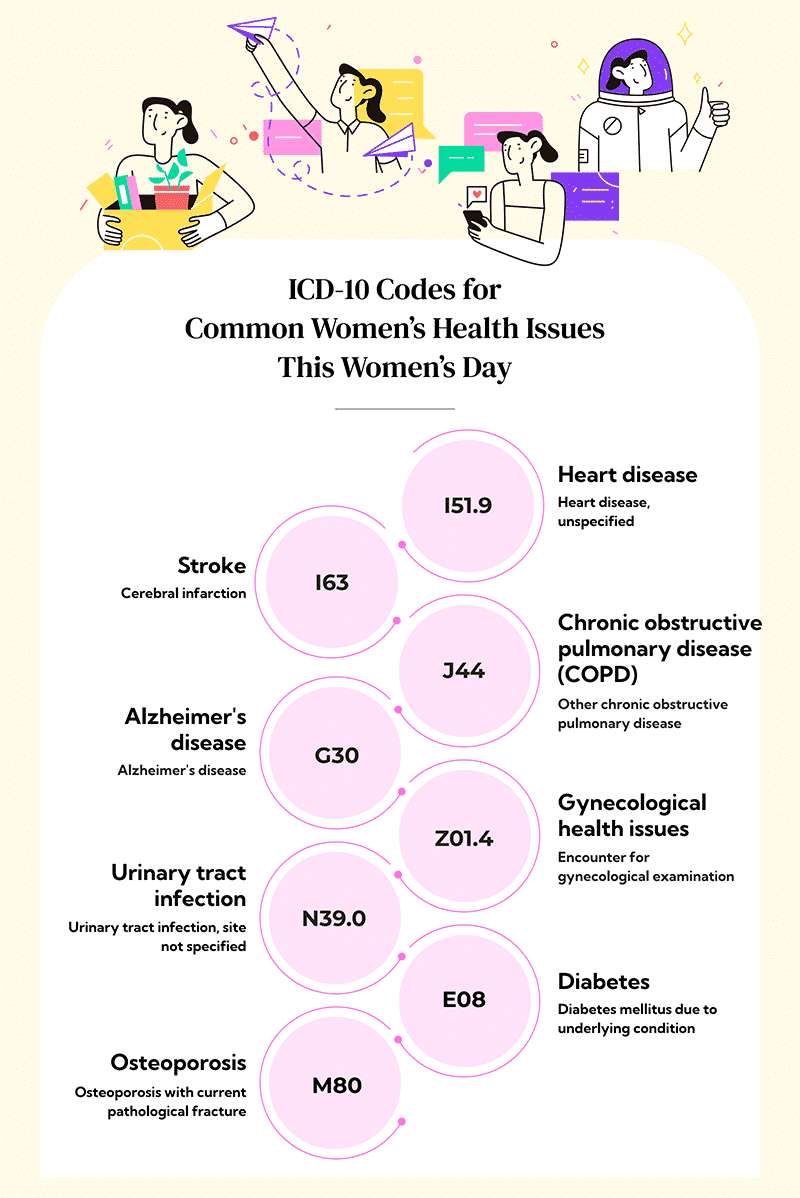
Each year, International Women’s day is celebrated on March 8. This year’s theme for the day is – “Gender equality today for a sustainable tomorrow”.  Unlike men, women experience unique health issues and conditions, including pregnancy and menopause to breast cancer and other gynecological conditions. Some health issues that affect both men and women can affect women differently. However, with on-time diagnosis and proper treatment, most conditions are preventable. Treatments provided by gynecologists or other providers need to be reported accurately on the medical claims, for which gynecologists can rely on professional medical coding companies.
Coding Common Women’s Health Issues This Women’s Day

Coding women’s complex health issues and conditions require expertise. Experienced medical billing outsourcing companies provide comprehensive medical billing and coding services for medical practices.

Holding a CPC certification from the American Academy of Professional Coders (AAPC), Natalie is a seasoned professional actively managing medical billing, medical coding, verification, and authorization services at OSI.

More from This Author
Natalie Tornese

Subscribe to Our Newsletter

Stay informed with our latest updates and insights.

Subscription Form

Related Posts

Abdominal Aortic Aneurysm (AAA) – Screening and Coding Guidelines

Abdominal Aortic Aneurysm (AAA) – Screening and Coding Guidelines

Abdominal Aortic Aneurysm (AAA) screening is subject to specific payer coverage rules and documentation requirements, making it a high-risk area for billing errors. Claims for this preventive cardiovascular imaging are closely reviewed by both Medicare and commercial...

What Are the ICD-10 Codes for Hyperlipidemia?

What Are the ICD-10 Codes for Hyperlipidemia?

Hyperlipidemia is a common medical condition characterized by elevated levels of lipids—such as cholesterol and triglycerides—in the blood. In the ICD-10 classification, hyperlipidemia falls under the “E” category, which includes endocrine, nutritional, and metabolic...